
The Museum Where Filipino Culture Stretches From Here to the Philippines
By Brjden Crewe
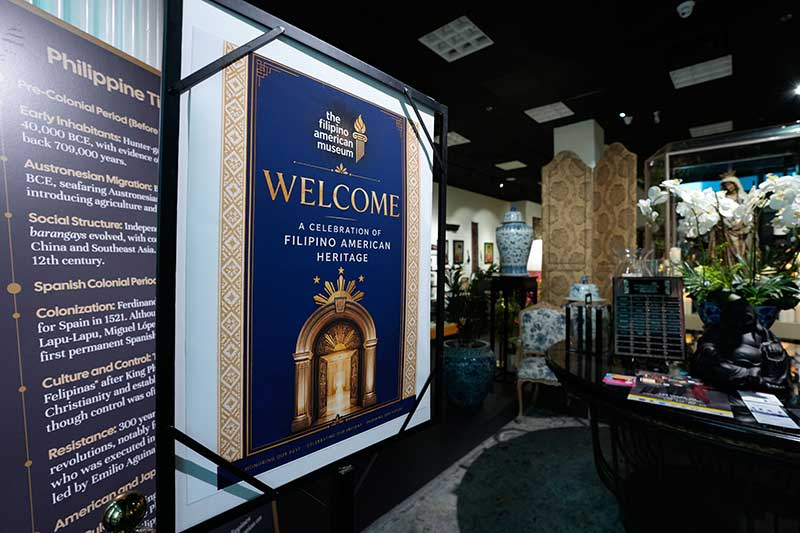
With the Filipino American Museum only days away from its grand opening on Friday, June 12, at The Boulevard Mall, one would think such an occasion would foster a sense of celebration and inspiration from the community in the sharing of Filipino art and culture. One would be correct.
The local Filipino community has a deep-rooted sense of pride and belonging in Las Vegas, which represents the largest Asian ethnic group in Nevada. The state’s Filipino population has grown from just over 51,000 to more than 208,000 in the span of 24 years, according to U.S. Census data. From community leaders such as Erica Mosca to world-famous comedians like Jo Koy, the Filipino community and its contributions to the valley range far and wide. The Filipino American Museum is only the latest contribution to a vast history of influence and impact in Las Vegas.
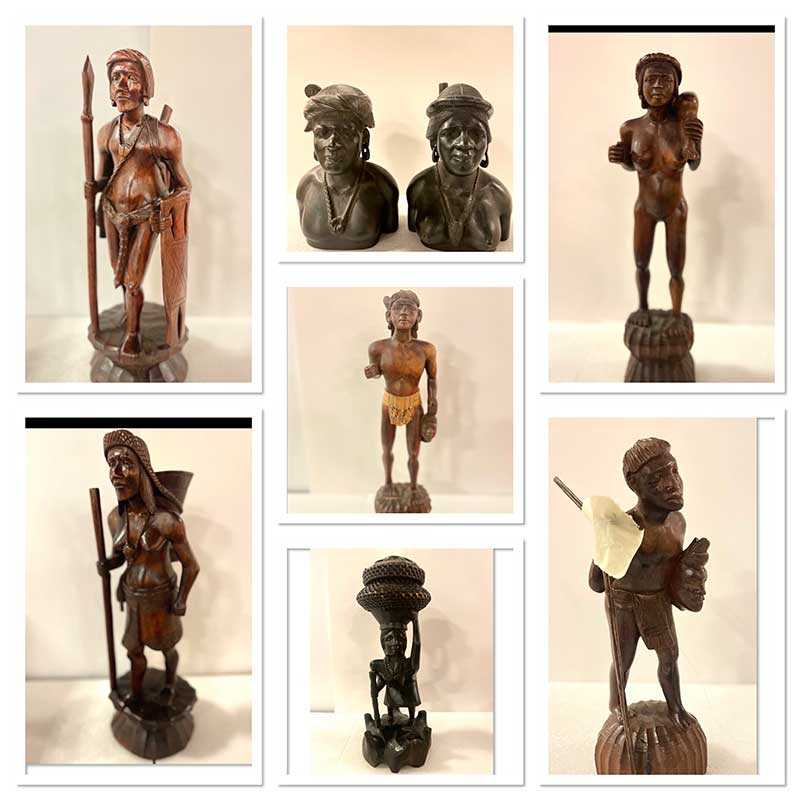
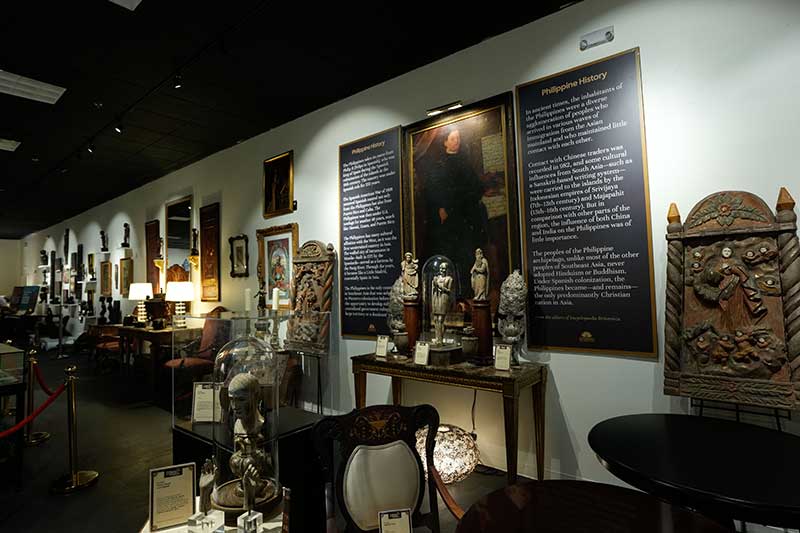
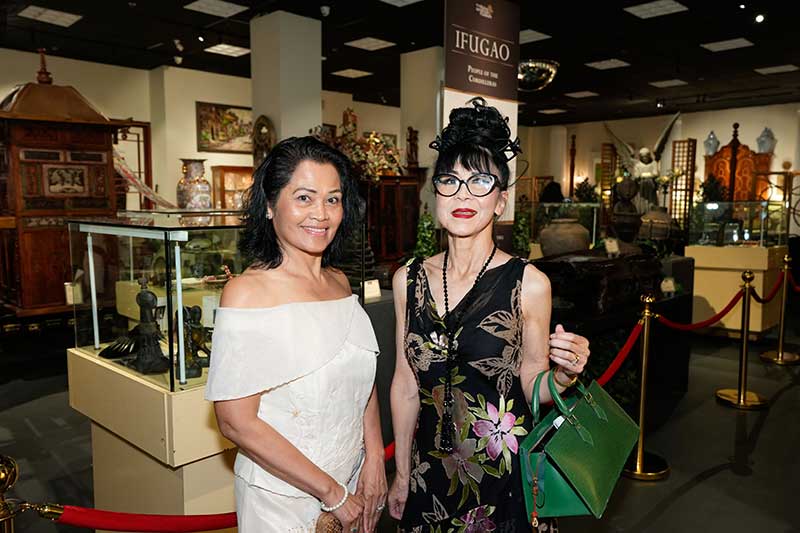
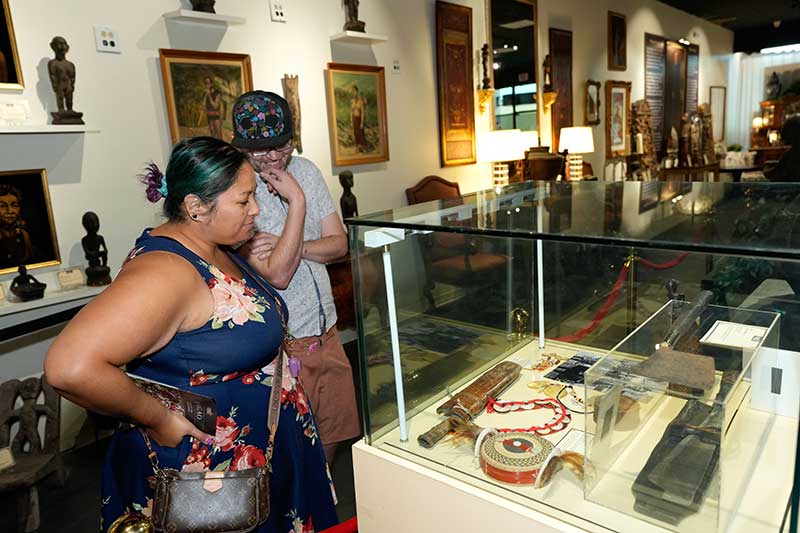
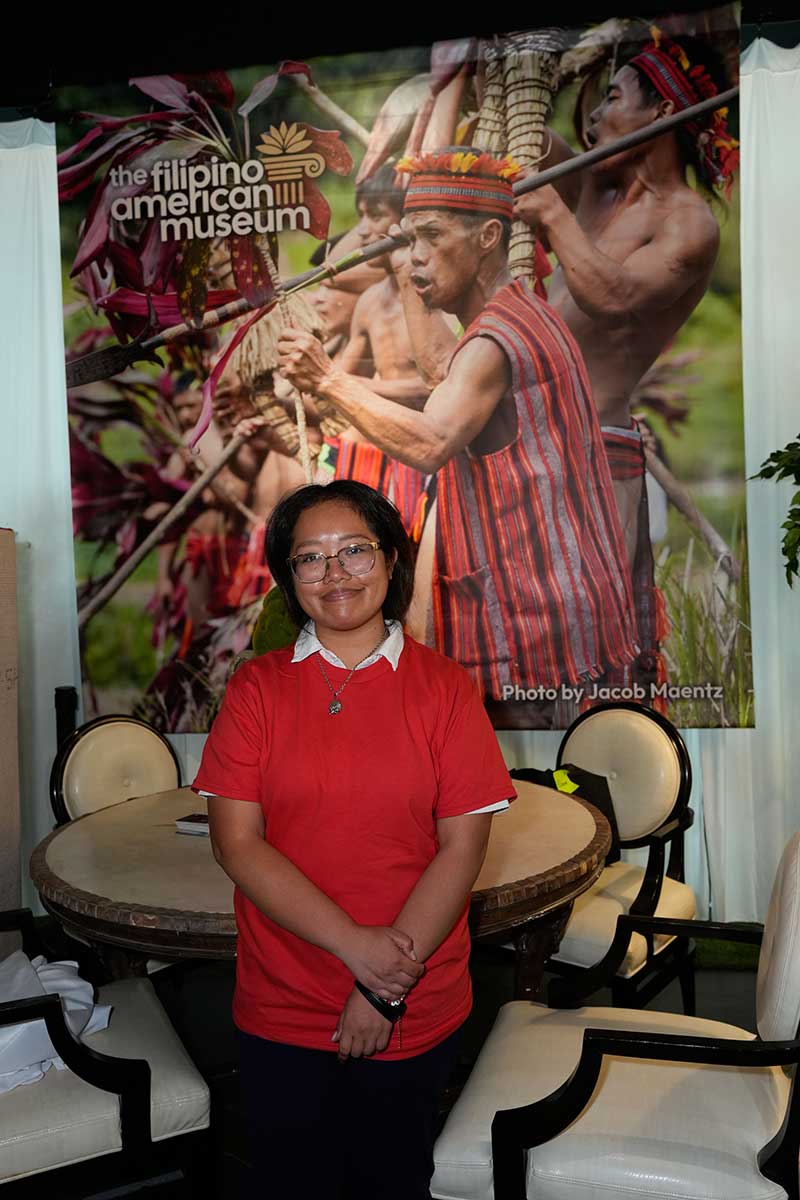
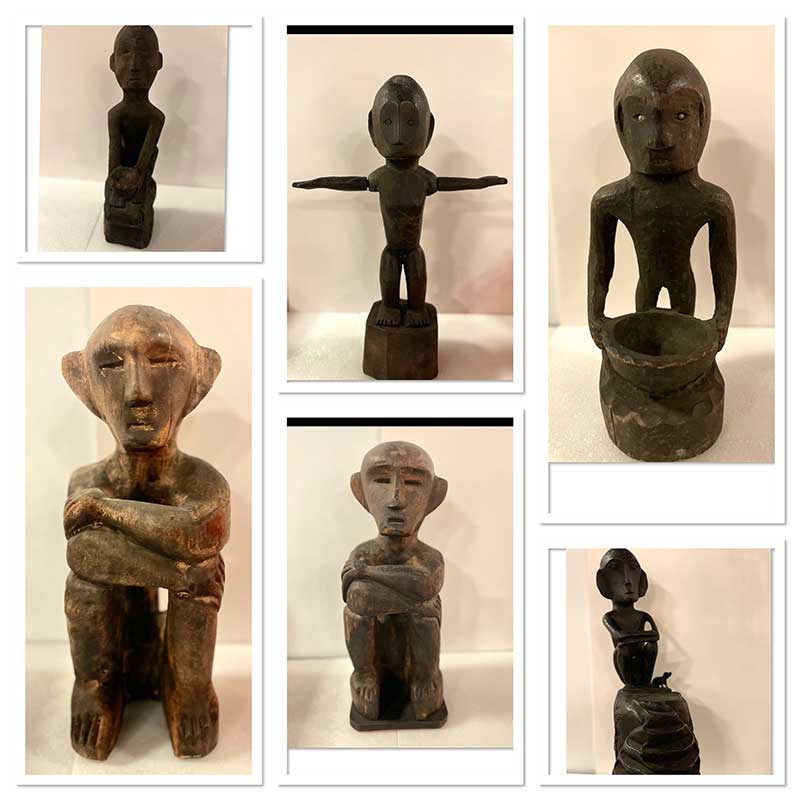
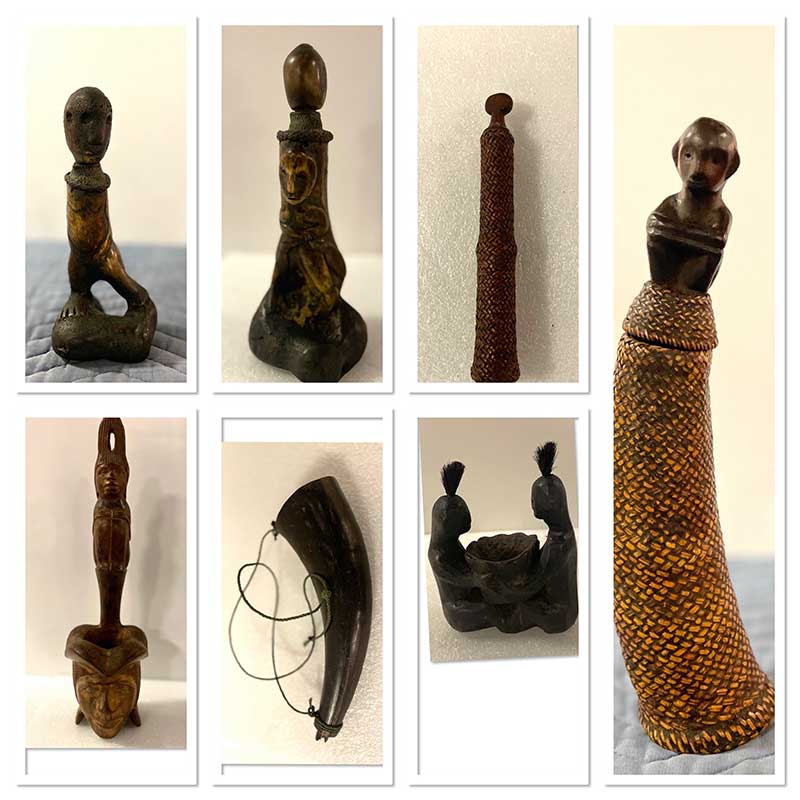
Rozita Lee, one of the founders of the National Federation of Filipino American Associations, created in 1997, is also credited as one of the pillars of not only the development of Filipinotown but also the Filipino American Museum. One of her first and most important moves in this development was turning to local and international Filipino fashion designer David Tupaz, who not only contributed some of his own personal pieces of art he has collected over the years but is also instrumental in bringing together a specially curated Ifugao Collection centered around an Indigenous tribe of the Cordilleras in northern Luzon, Philippines. The Ifugao are an Indigenous Austronesian ethnic group renowned for carving the 2,000-year-old Banaue Rice Terraces, as well as for their sustainable agricultural practices, intricate woodcarvings and rich oral traditions.
History and Ancestry
- The word "Ifugao" derives from "i-pugaw," which translates to “people of the earth” or “mortals.”
- Archaeological evidence indicates that the Ifugao are highly autonomous, having successfully resisted Spanish colonization and maintained their unique way of life for centuries.
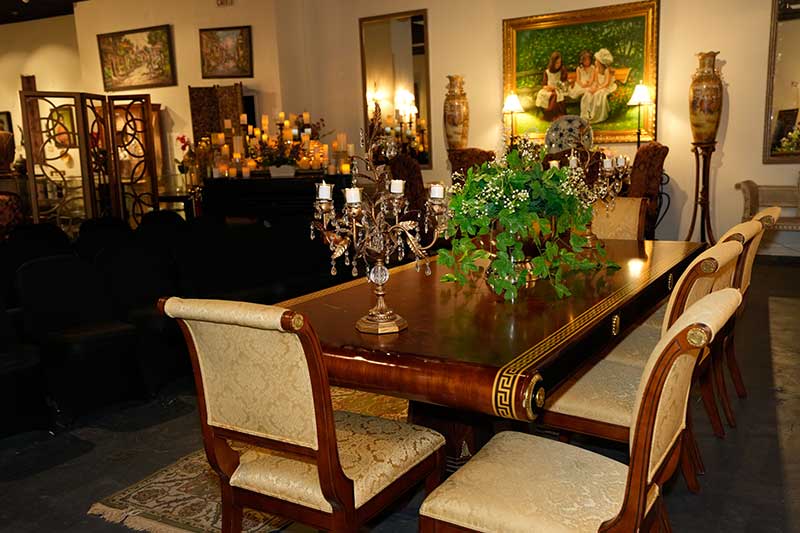
With a wonderful collection of Filipino art, displays and history all woven into the walls and fabrics of the museum space, my words don’t do it justice. You must experience it for yourself to truly appreciate the magnitude of what this opening means. Preserving and appreciating culture is one of the most fundamental purposes of this museum and its importance to Filipino Town in Las Vegas.
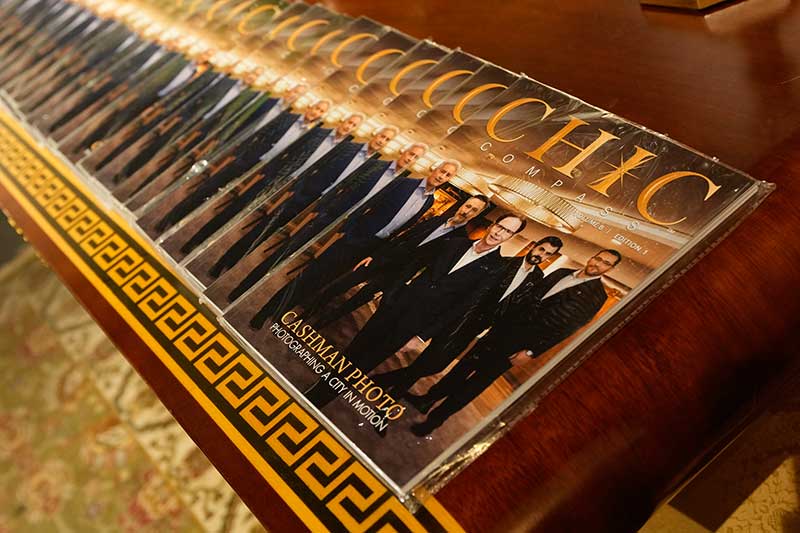
June 12, 2026 Grand Opening and Chic Compass VIP Event
Publisher's note by Ann Parenti
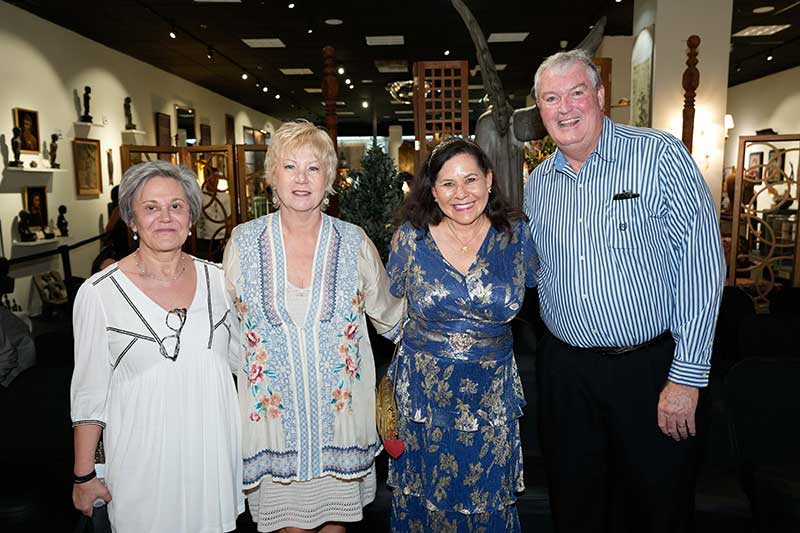
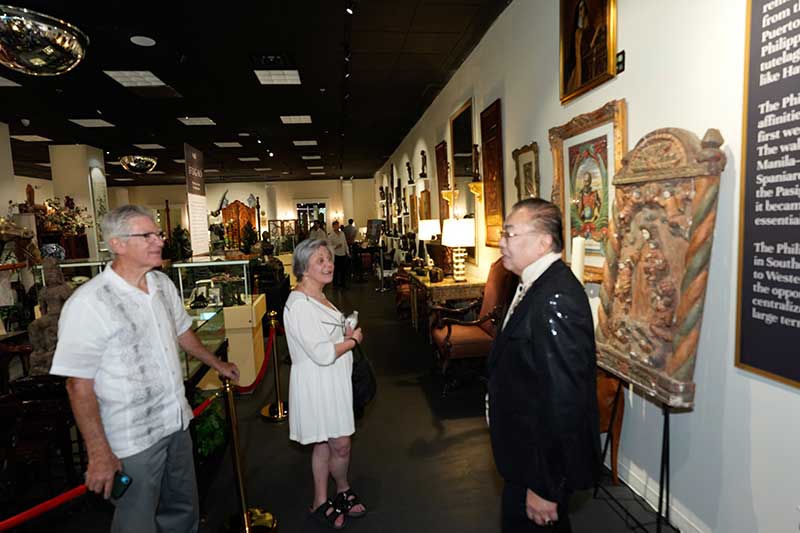
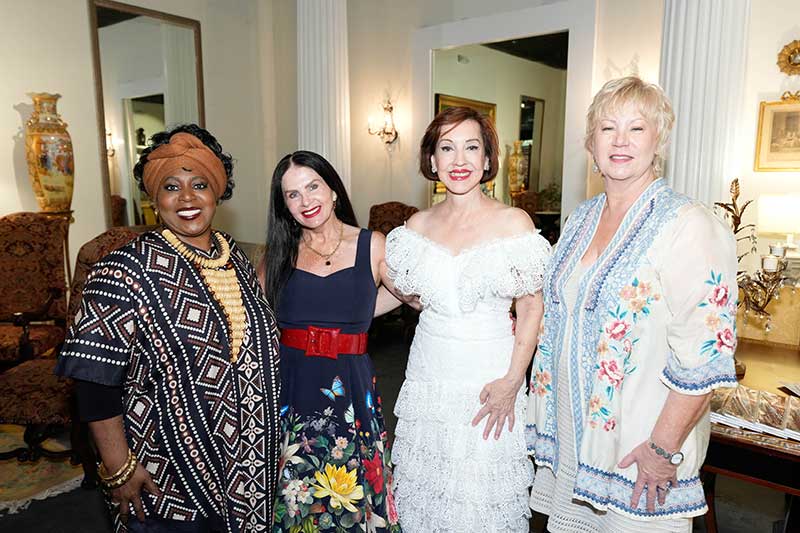
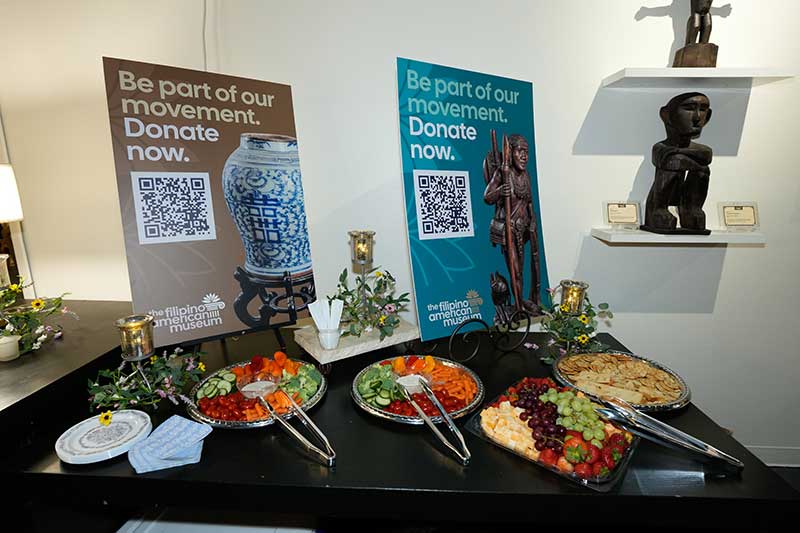
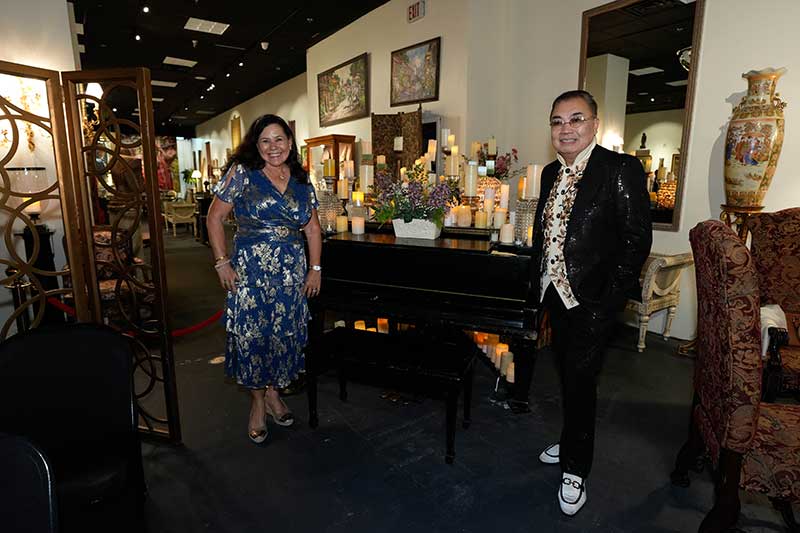
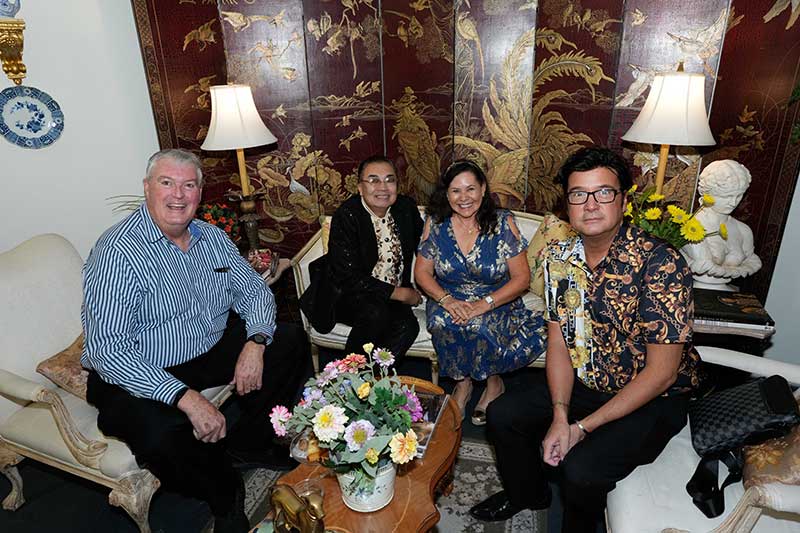
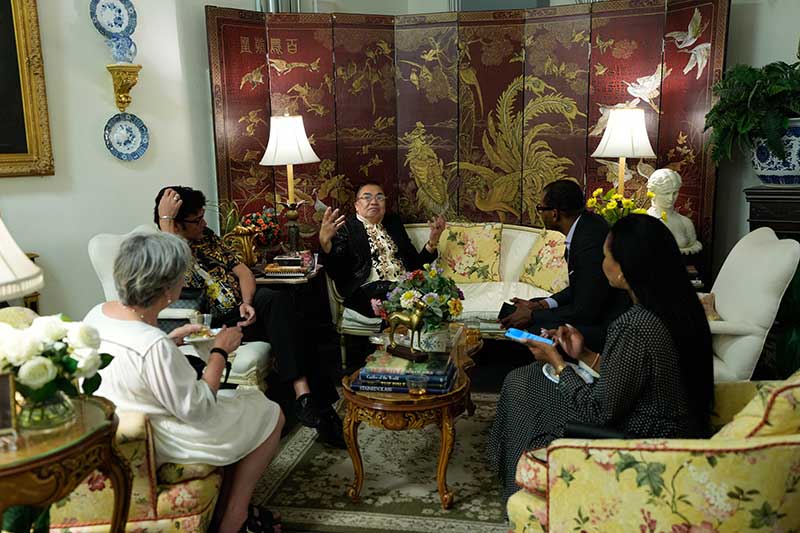
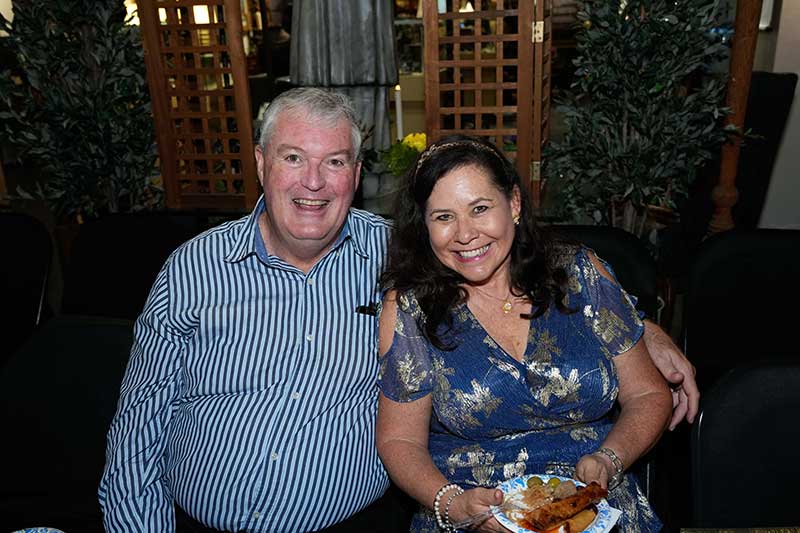
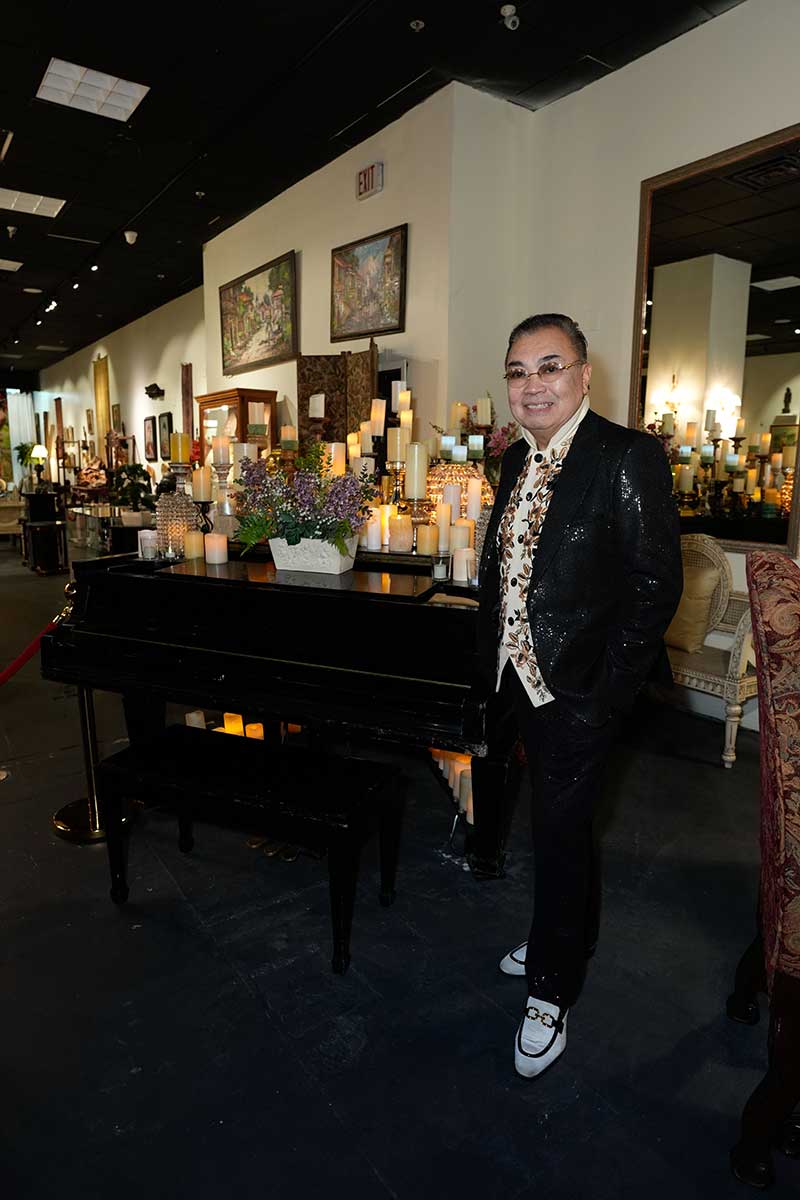
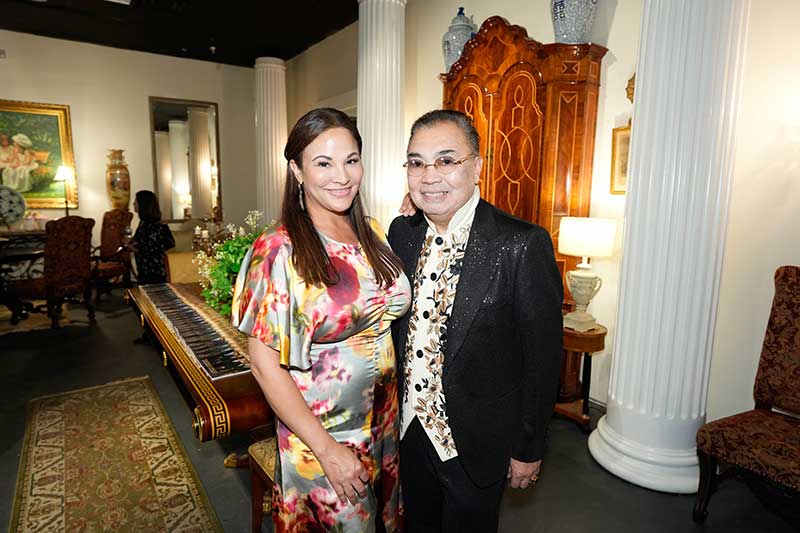
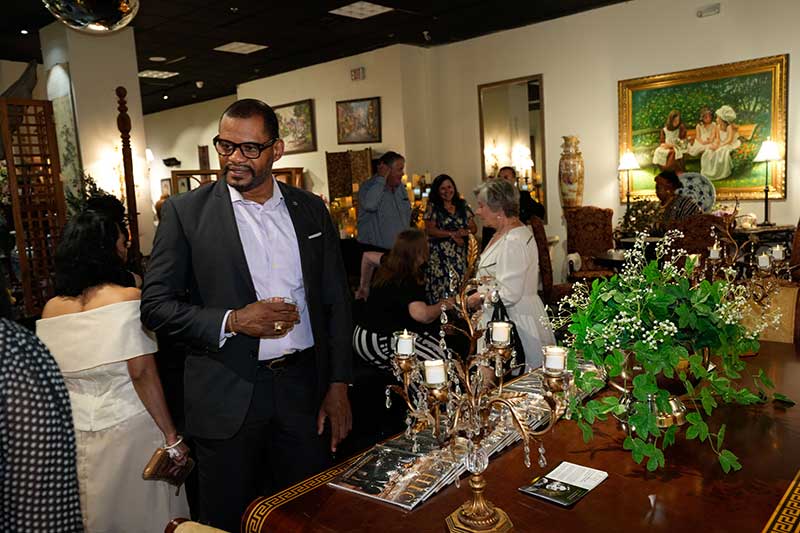
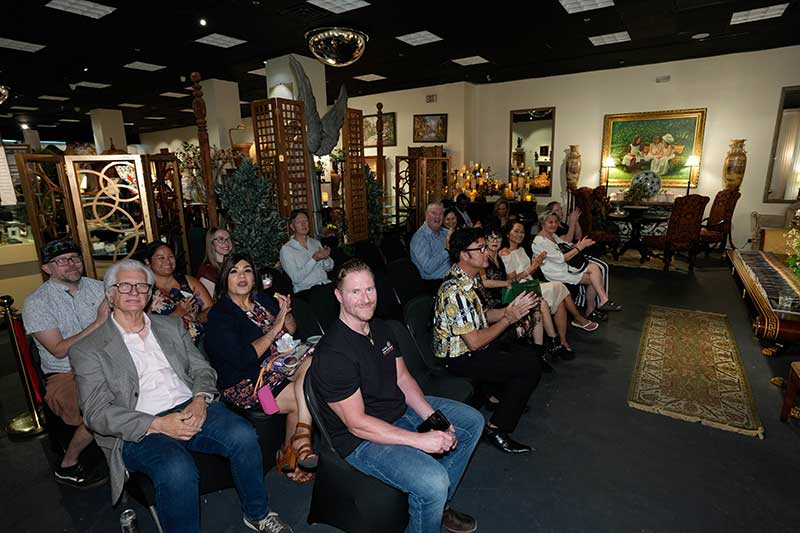
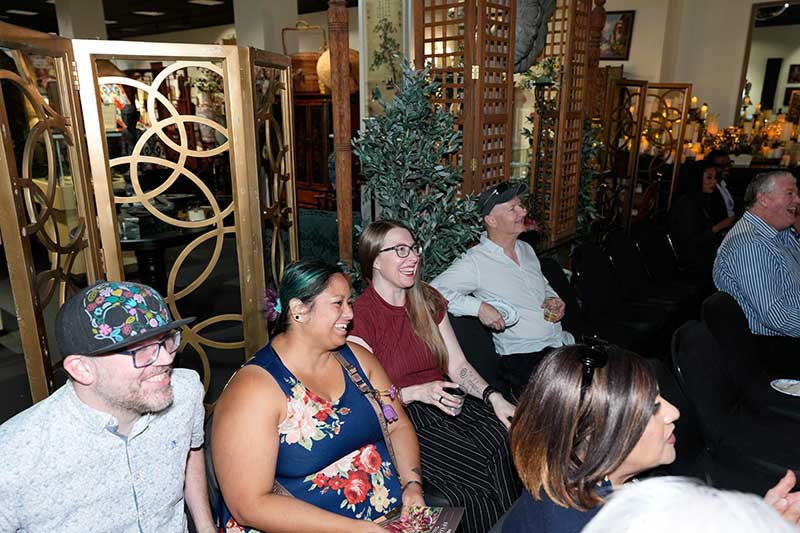
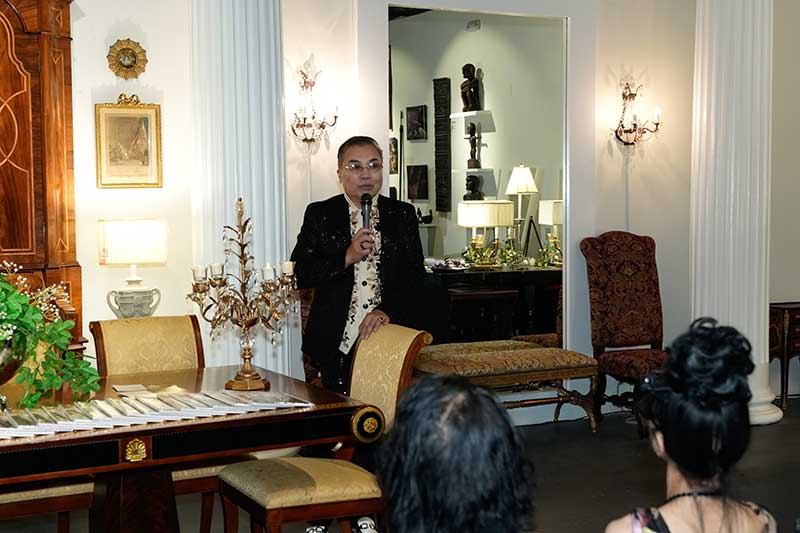
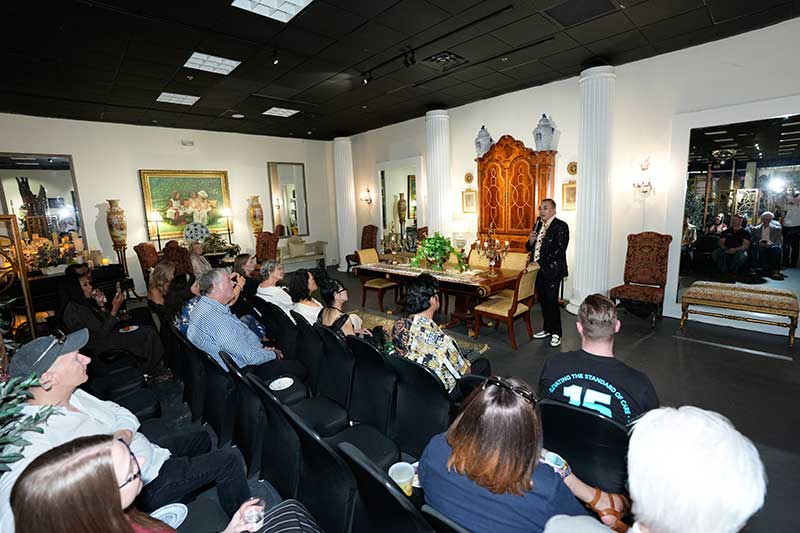
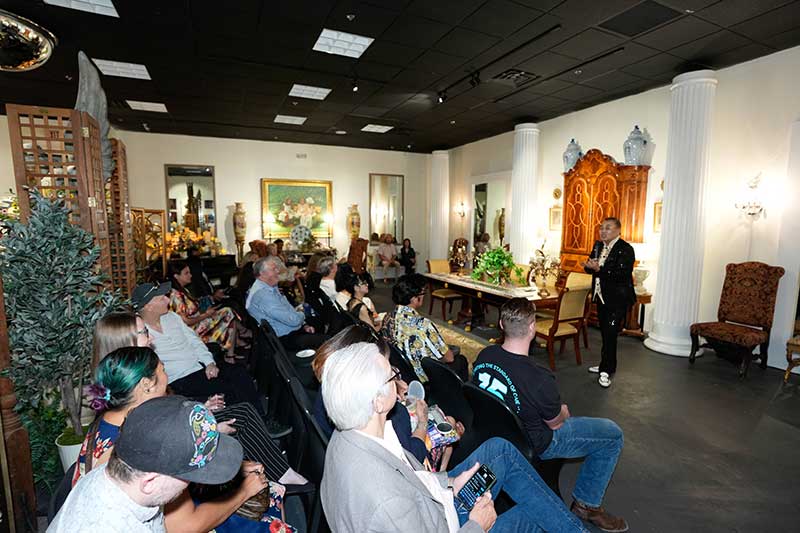
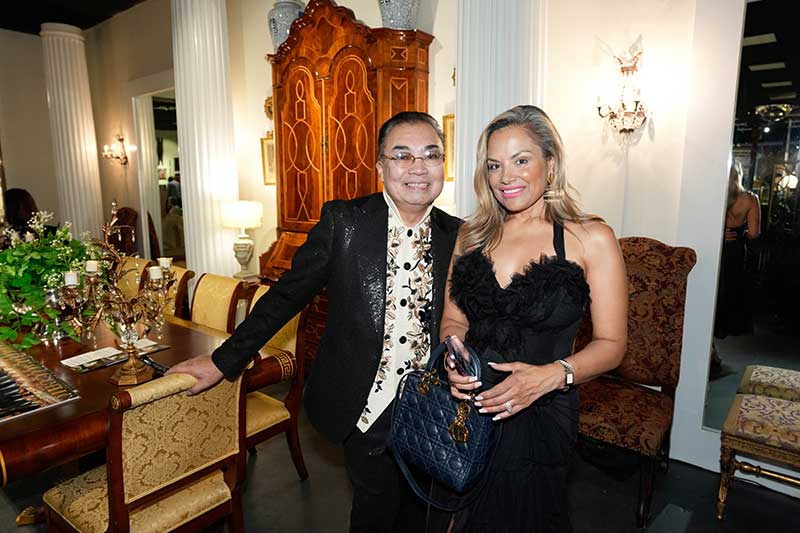
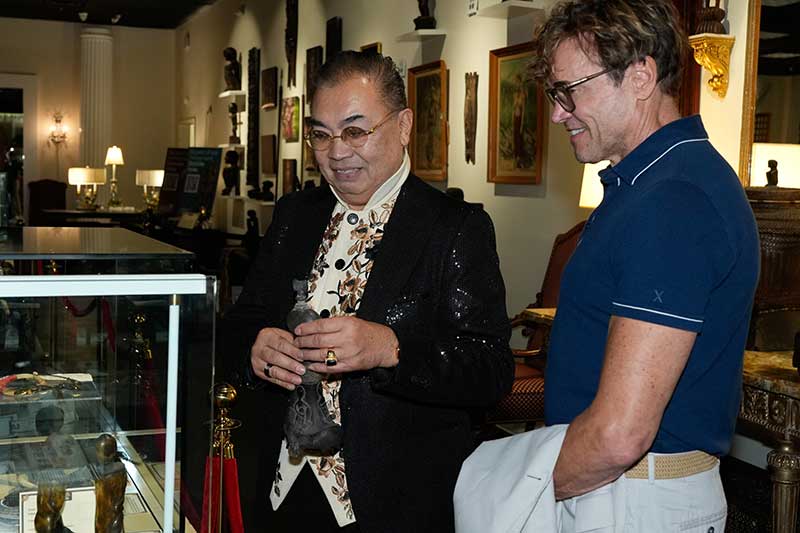
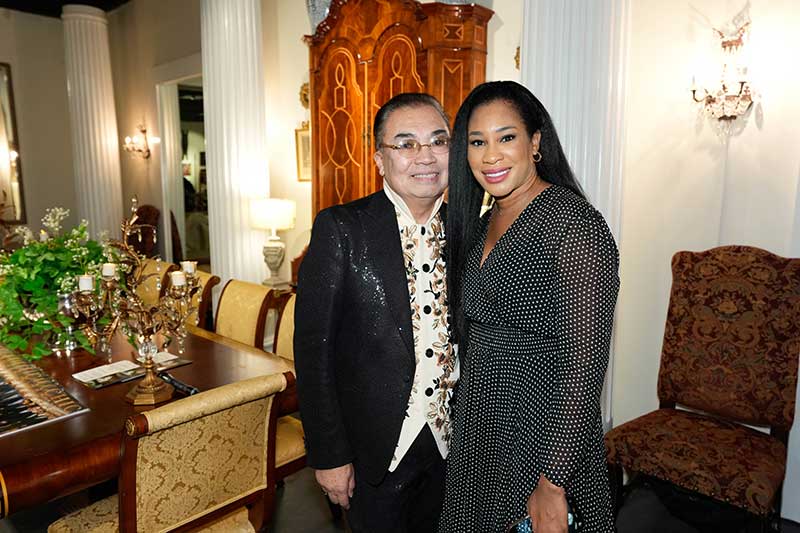
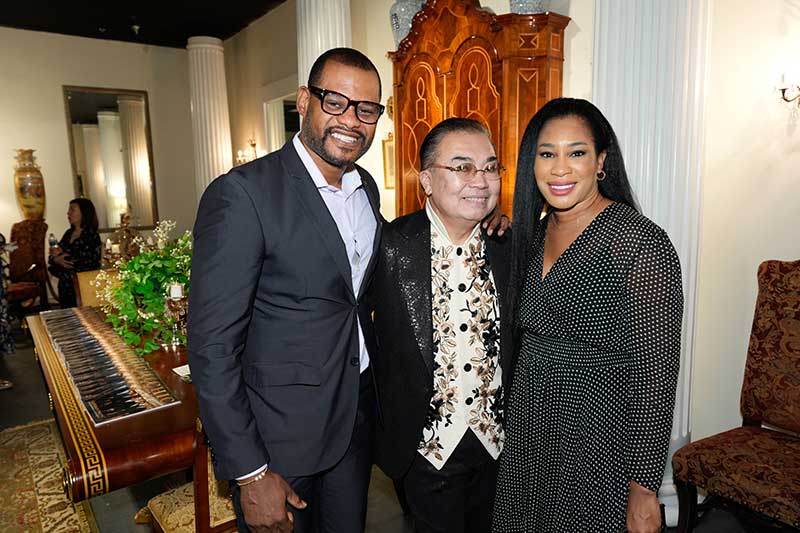
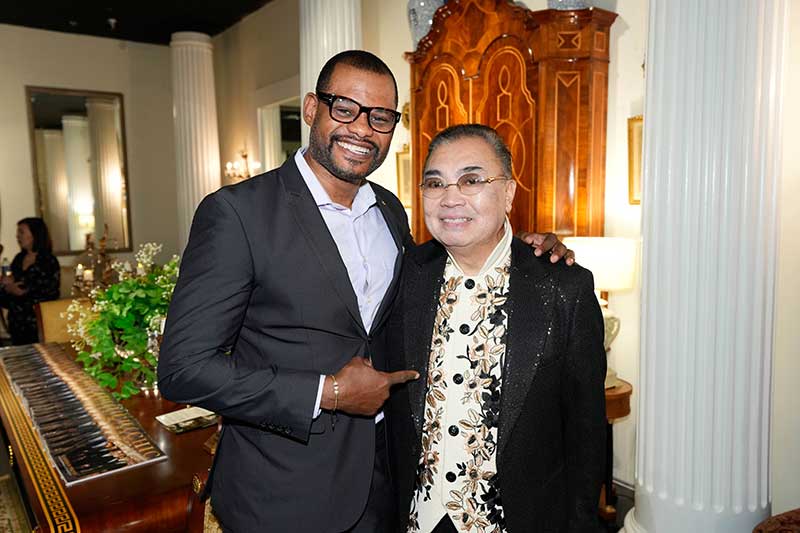
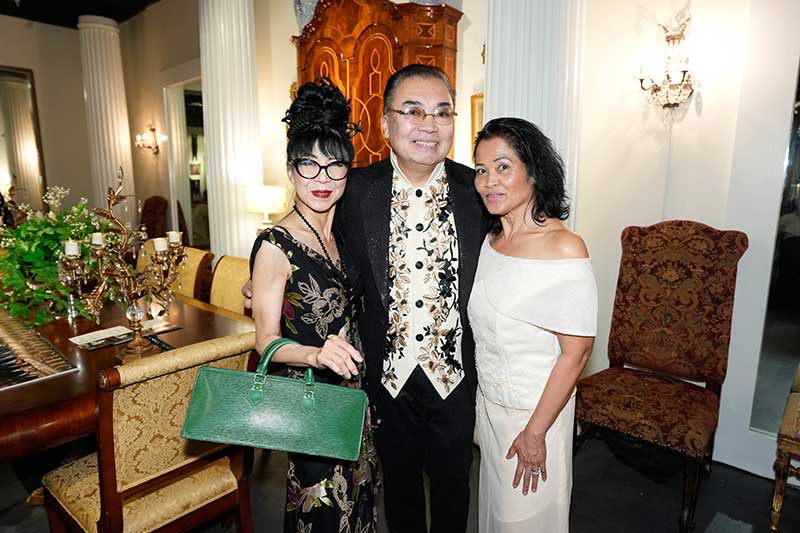
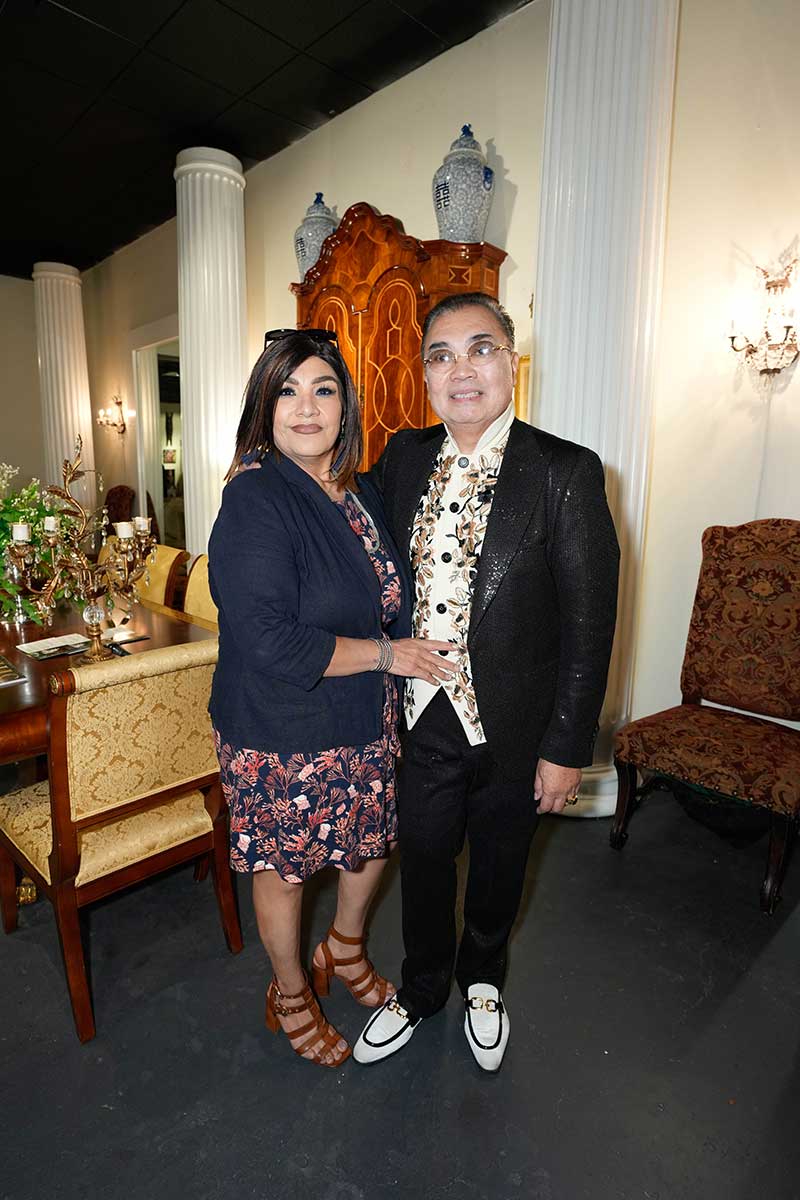
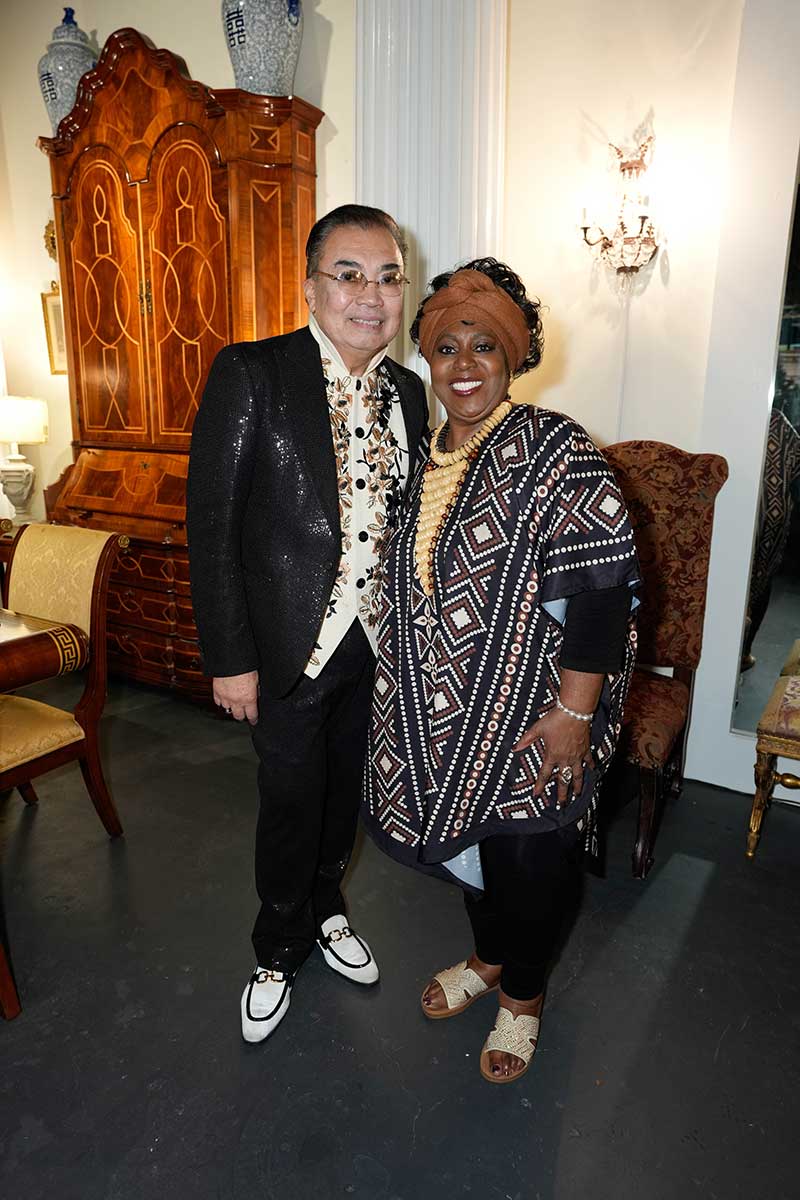
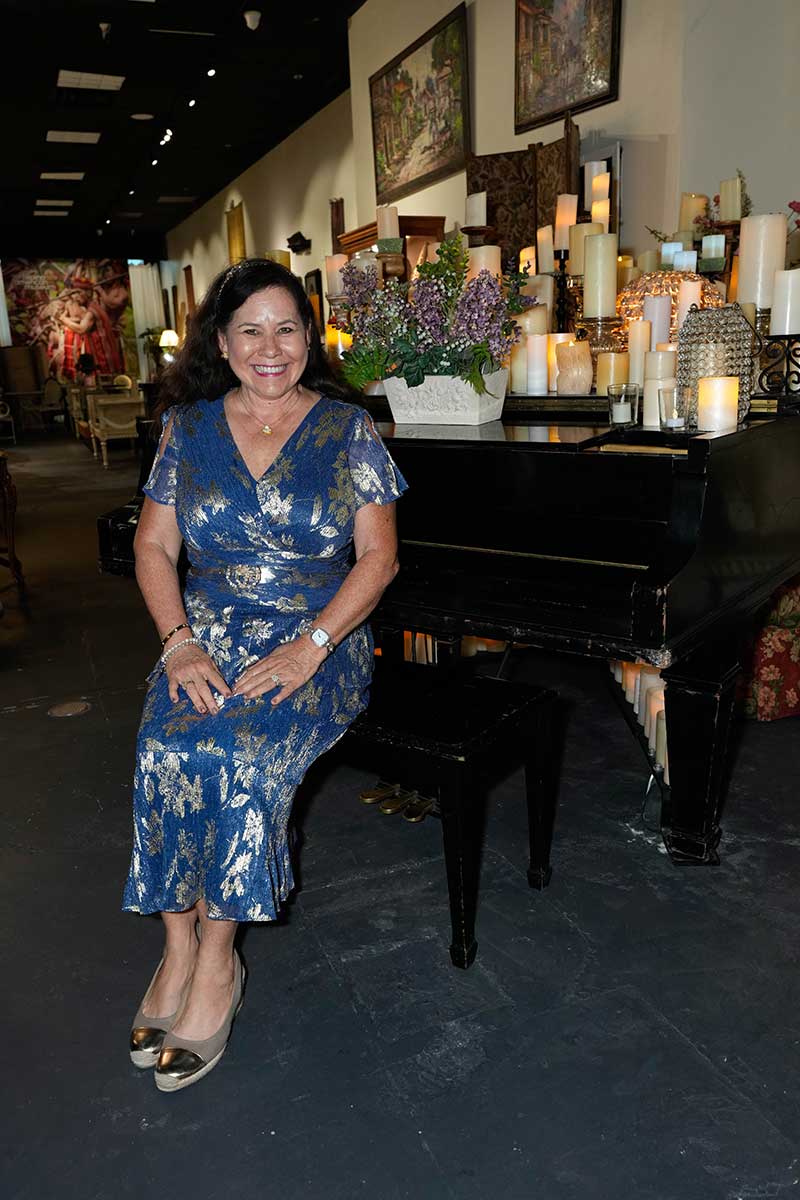
It was an action-packed day for the Filipino American Museum on June 12, 2026, Philippine Independence Day. The team kicked off the afternoon with a ribbon-cutting ceremony for the museum's grand opening, with many dignitaries in attendance. They also welcomed hundreds of guests to tour the museum and learn about Filipino culture and heritage that dates back over 3,000 years. Later that evening, Chic Compass held a VIP event to celebrate the opening. David Tupaz, the museum’s executive director and curator, who is also Chic Compass’ creative director, toured the gallery and gave a lecture for our attendees. At the same time, everyone enjoyed light, Filipino-inspired refreshments. You can find the new museum inside the Boulevard Mall in Las Vegas, right in the heart of the newly named Filipino Town.